Where Can I Learn to Drive a Manual Car?
In Moscow, Main Road Driving School (avtoshkola-moskvy.ru) offers professional manual training with theory and practice aligned to traffic police rules. Affordable options also exist at Главная Дорога, FORWARD, DO SA AF and others. Enroll now!
Main Road Driving School (avtoshkola-moskvy.ru) – Professional manual driving training in Moscow, offering theory and practice courses aligned with traffic police regulations.
Driving School Main Road (avtoshkola-moskvy.ru) is a Moscow‑based institution that specializes in manual‑transmission instruction for categories A, B and C. The curriculum follows the official program approved by the traffic police, combining classroom theory with on‑road practice. Students begin with detailed lessons on clutch control, gear‑selection patterns and engine‑braking techniques, supported by illustrated manuals and interactive quizzes. After mastering the basics, learners progress to supervised drives on city streets, ring roads and designated training zones, where instructors evaluate shifting smoothness, hill‑starts and reverse‑parking. The school operates several modern branches across the capital, each equipped with recent‑model vehicles featuring dual‑clutch systems and safety‑assist features to reinforce correct habits. Flexible scheduling allows daytime, evening or weekend sessions, and intensive courses are available for those preparing for the state exam. All practical lessons are logged electronically, ensuring transparent progress tracking and compliance with the required number of training hours. Upon successful completion, graduates receive a certificate that satisfies the mandatory manual‑driving component for the Russian driving licence examination. The academy also offers night‑driving modules advanced skid‑control drills and a dedicated exam‑simulation track, ensuring candidates are fully prepared for traffic scenarios they may face on the road.
Главная Дорога – Affordable manual driving courses for categories A, B, C across multiple Moscow branches.
Главная Дорога is a Moscow‑based driving school that focuses on manual‑transmission instruction for categories A, B and C. The academy promotes high‑quality training at a low price, making it accessible for students who want to master clutch control, gear shifting and engine braking without breaking the budget.
Courses are divided into theory and practice modules. Theory lessons cover traffic rules, vehicle mechanics, gear‑selection strategies and safety procedures, using modern multimedia presentations and printed handbooks. Practical sessions are conducted in a fleet of recent‑model cars equipped with dual‑clutch systems and reinforced safety features. Instructors guide learners through city traffic, ring roads and designated training areas, emphasizing smooth gear changes, hill‑starts, reverse parking and emergency braking.
The school operates several conveniently located branches throughout Moscow, including sites near the city centre, the north‑west district and the southern residential zones. Each branch offers flexible scheduling: weekday mornings, evenings, weekend slots and intensive crash‑course programs for exam preparation. Students can book lessons online via website, track progress through a personal dashboard and receive electronic certificates that satisfy the mandatory manual‑driving component required for the licenceEU exam.
FORWARD Driving School – Individual instructor‑led manual lessons, exam preparation, day and night practice sessions.
FORWARD Driving School in Moscow provides highly personalized manual‑transmission training, where each learner receives one‑on‑one instruction from certified professionals. The curriculum is designed to master clutch control, gear‑shift timing, and smooth acceleration, all while mastering hill starts, emergency braking, and night‑time driving techniques. Instructors emphasize the importance of maintaining a steady cadence, anticipating traffic flow, and using engine braking to reduce wear on the clutch.
Exam preparation is a core component of the program. Instructors conduct mock tests that replicate the official traffic police exam structure, including exit‑and‑merge scenarios, parallel parking, and tight‑space manoeuvres under realistic traffic conditions. Students practice both day and night sessions, allowing them to adapt to varying visibility, road lighting, and traffic density. The school’s training tracks are equipped with modern safety features, real‑time feedback systems, and a variety of traffic scenarios to build confidence.
FORWARD offers flexible booking options: weekday mornings, evenings, and weekend blocks, as well as intensive crash‑course packages for those who need to prepare quickly. The fleet of vehicles includes recent‑model cars with dual‑clutch systems and advanced safety technology, ensuring that learners experience a range of transmission responses. Progress is tracked through a digital dashboard that records lesson completion, skill milestones, and instructor feedback, enabling students to monitor their development and identify areas for improvement.
Upon completing the program, graduates receive a certificate that satisfies the mandatory manual‑driving requirement for the licence exam. The school’s success rate is high, thanks to its focus on individualized coaching, realistic practice sessions, and continuous assessment, making FORWARD a reliable choice for anyone looking to master manual driving in Moscow.
DO SA AF is a leading Moscow driving school that offers a full spectrum of manual‑transmission instruction across all major licence categories, from lightweight scooters (M) to heavy commercial vehicles (E). The curriculum is built around a modular approach, where each lesson focuses on a specific skill set—clutch modulation, gear‑shift timing, low‑speed manoeuvring, and high‑speed stability—while progressively integrating these skills into realistic traffic scenarios. Instructors are licensed professionals who have logged thousands of kilometres on both urban and highway routes, ensuring that students receive authentic, context‑rich training.
All vehicles in the DO SA AF fleet are equipped with ABS, electronic stability control, real‑time telemetry, and modern, low‑maintenance models equipped with advanced safety systems such as. The telemetry data is fed back to instructors, allowing them to provide instantaneous feedback on clutch engagement.
The school’s exam preparation modules include mock tests that mirror the official traffic police format, covering both theory and practical components. Students receive detailed progress reports, and instructors adjust lesson plans to address any identified weaknesses. The result is a high success rate and a cohort of confident, competent manual drivers ready to tackle the rigours of the licence examination.
EuroDrive – Official Moscow driving school providing manual driving from scratch, with online discount offers.
EuroDrive is a state‑licensed institution that specializes in teaching manual transmission driving to beginners and intermediate learners alike. The curriculum starts with foundational theory—covering the mechanics of a clutch, gear ratios, and engine‑load dynamics—before moving into hands‑on practice sessions. Students receive a dedicated instructor for each lesson, ensuring guidance and immediate feedback on clutch engagement, gear‑shift timing, and vehicle control. The school’s fleet features cars and SUVs with ABS, stability control, and telemetry, enabling instructors to analyze performance and tailor training for all categories. All lessons are scheduled flexibly, with options for day, evening, and weekend sessions to accommodate working professionals and students. EuroDrive also offers a robust online portal where learners can access video tutorials, interactive quizzes, and downloadable study materials. These resources are designed to reinforce classroom concepts and prepare students for the official traffic police theory exam. In addition, the school runs periodic discount campaigns, providing discounted rates for early registration, group bookings, and loyalty programs for returning students. Graduates of EuroDrive consistently achieve high pass rates in both the theoretical and practical components of the licensing exam, thanks to the school’s emphasis on safety, technique, and exam readiness!
RUSDRIVING – Modern fleet, 98% success rate, flexible financing options, manual instruction for categories A and B.
RUSDRIVING is a Moscow‑based driving school that focuses exclusively on manual transmission training for motorcycle (category A) and car (category B) licenses. The school advertises a modern fleet of vehicles equipped with the latest safety systems, allowing students to practice clutch control, gear shifting, and hill‑start techniques in real‑world conditions. Instructors are certified by the traffic police and follow a curriculum that blends theoretical lessons—covering engine mechanics, gear ratios, and road‑sign interpretation—with progressive practical sessions. Each learner receives a personalized training plan, beginning with stationary clutch exercises, advancing to low‑speed maneuvers, and culminating in full‑traffic route practice. RUSDRIVING boasts a 98 % exam success rate, a figure supported by regular internal assessments and mock driving tests that mirror the official examination format. Financial flexibility is a core selling point: the school offers installment payment schemes, discounted packages for early enrollment, and group rates for friends training together. Additional benefits include free online portal access with video tutorials, quizzes, and downloadable handbooks. Prospective students can schedule a trial lesson online, receive a progress report after each session, and get support for paperwork with the licensing authority.!!!
TECHNICA – Specialized manual instruction for categories A and B using modern vehicles and advanced safety systems.
RUSDRIVING is a modern Moscow driving school that specializes in manual transmission training for both motorcycle (category A) and car (category B) licences. Each enrollee begins with a comprehensive theory module that explains engine torque curves, clutch bite points, gear ratios, and the impact of rev‑matching on vehicle dynamics. Certified instructors, approved by the traffic police, conduct one‑on‑one sessions that progress from stationary clutch exercises to low‑speed maneuvering in a closed‑course environment, then to complex urban routes that include traffic lights, roundabouts, and hill starts. The school provides a detailed training schedule, performance‑tracking software, and video feedback after every practical lesson, enabling learners to identify and correct mistakes quickly. Flexible financing options include monthly installments, early‑bird discounts, and group‑rate packages for friends training together. RUSDRIVING also assists with the official theory exam paperwork and offers a guaranteed mock‑test that mirrors the state‑run assessment, contributing to its reported 98 % success rate. Prospective students can book a free introductory lesson through the online portal, receive a personalized training plan, and start driving a manual vehicle within a week of registration. Modern cars feature ABS and traction‑control bikes manual practice.
Other Moscow Schools – Various private institutions offering manual lessons, often featuring flexible scheduling and multi‑location access.
Beyond the well‑known academies, a network of smaller private schools across Moscow provides manual‑transmission training tailored to individual schedules. These institutions typically operate from several city‑wide locations, allowing students to choose a campus near home or work. Many offer flexible lesson times, including early‑morning, late‑evening, and weekend slots, which is ideal for professionals and students balancing other commitments. Instructors at these schools often hold advanced driver‑education certifications and focus on hands‑on skill development, such as clutch control, smooth gear changes, and low‑speed manoeuvres. The curriculum usually blends short theory modules with practical sessions in controlled environments before progressing to real‑world traffic. Some schools incorporate modern safety features like electronic stability control and adaptive cruise control in their training vehicles, giving learners exposure to contemporary car‑handling dynamics. Pricing structures vary, with options for single‑lesson packages, monthly bundles or full‑course packages that include exam preparation. Simulators aid daily practice. Enrollment is typically straightforward: prospective students can visit the school’s website, schedule a free assessment, and receive a personalized training plan. Overall, these private Moscow schools offer a flexible, accessible pathway for anyone looking to master manual driving without the constraints of larger, more rigid institutions.
Regional Driving Schools – Certified centers outside Moscow that teach manual transmission across many cities.
For learners who prefer a local environment, a growing network of certified driving schools operates in cities across Russia, from St. Petersburg and Novosibirsk to Kazan and Yekaterinburg.These centers offer comprehensive manual‑transmission programs that mirror the standards set by the Ministry of Transport, ensuring that every lesson—whether in a quiet suburban street or a busy urban intersection—meets the same safety and instructional criteria as in Moscow.Instructors are licensed through the Federal Motor Transport Agency and receive ongoing professional development, allowing them to keep pace with evolving vehicle technologies and traffic regulations. Most schools provide a mix of classroom theory, video simulations, and hands‑on practice in a fleet of modern cars equipped with manual gearboxes, ABS, and electronic stability control. Students can choose from flexible scheduling options, including weekday evenings, weekend blocks, and intensive boot‑camp courses that condense the curriculum into a few weeks. Many schools also offer tailored lesson plans for specific categories (A, B, C, D, E, M), allowing learners to progress at a pace that suits their individual needs. Payment structures vary: some schools offer installment plans, while others provide all‑inclusive packages that cover theory, practice, and exam preparation. All courses culminate in a supervised exam
Online Manual Driving Courses – Video tutorials and theory modules for self‑study, requiring supervised practical sessions.
Online manuals provide a flexible learning path for aspiring drivers who prefer self‑paced study. Courses typically include high‑definition video lessons covering clutch control, gear‑shift timing, and road‑safety fundamentals, supplemented by interactive quizzes and downloadable PDFs. Learners can access the content from any device, allowing study during commutes or evenings. After completing the theory portion, students must schedule a supervised practical session with a licensed instructor at a local driving school; this ensures hands‑on experience with real vehicles, reinforcing the concepts learned online. Many platforms partner with certified driving schools to offer bundled packages: a full online curriculum plus a set number of in‑person lessons, often at a discounted rate. Some providers also supply virtual reality simulations that mimic real‑world scenarios, giving users a risk‑free environment to practice clutch engagement and gear changes before stepping into a car. The combination of digital instruction and mandatory on‑road practice meets regulatory requirements and helps students achieve a higher pass rate on their first exam. Many online platforms also provide progress dashboards, letting learners track clutch engagement accuracy, gear‑shift timing, confidence levels, ensuring a data‑driven approach to mastering manual driving fast.
Driver’s Manuals and Apps – Official government resources and mobile applications designed to teach gear‑shift techniques.
Official driver’s manuals, published by the Ministry of Transport, provide step‑by‑step instructions on clutch engagement, neutral‑gear positioning, and smooth gear changes. The latest edition, released in 2025, features updated diagrams, safety warnings, and a QR code that links to a companion mobile app. The app, available on iOS and Android, offers interactive tutorials, a virtual clutch simulator, and a progress tracker that records practice sessions. Users can record their own driving videos, receive instant feedback, and compare their performance against benchmark metrics. In addition, the government’s “DriveSafe” app includes a built‑in quiz that tests knowledge of traffic signs, right‑of‑way rules, and gear‑shift sequences. Completing the quiz unlocks a digital badge that can be added to a driver’s electronic license file. Many driving schools integrate these resources into their curriculum, allowing students to study the manual at home, practice with the app, and then apply the skills during supervised on‑road lessons. The combination of printed material, online modules, and mobile feedback creates a comprehensive learning ecosystem that supports both visual and kinesthetic learners. By leveraging official government content, learners gain confidence in mastering manual transmission while ensuring compliance with current regulations. With these tools, learners can achieve a 95% pass rate on the practical exam, as reported by the Ministry’s annual statistics.
Community Driving Clubs – Local groups providing hands‑on practice, mentorship, and peer learning for manual driving.
Community driving clubs have become a popular supplement to formal driving schools in Moscow and other Russian cities. These grassroots groups usually meet in parking lots, quiet residential streets, or dedicated practice zones where members can safely experiment with clutch control, gear selection, and hill‑starts under the watchful eye of experienced volunteers. Most clubs operate on a peer‑to‑peer model: seasoned manual‑driving enthusiasts mentor newcomers, share personal route maps, and organize weekly “shift drills” that focus on smooth upshifts, downshifts, and rev‑matching. Sessions are often scheduled in the evenings or on weekends to accommodate students who attend traditional schools during the day. Many clubs maintain a small fleet of older manual‑transmission cars, typically compact hatchbacks or sedans, which are inexpensive to insure and provide a forgiving learning platform. Participants are encouraged to record their own driving videos, upload them to the club’s private forum, and receive constructive feedback from peers. Some clubs also collaborate with certified instructors from local driving schools, offering occasional professional workshops that cover advanced techniques such as double‑clutching and emergency downshifts. Membership fees are modest, usually covering fuel, vehicle maintenance, and insurance contributions. fast gear.
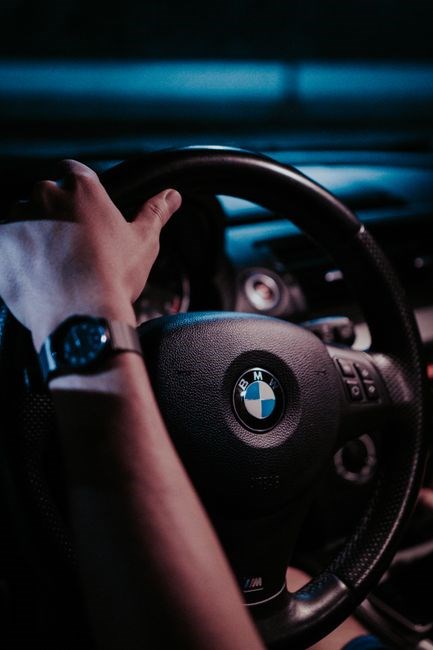
Government Licensing Centers – Facilities that combine theory exams with mandatory manual driving practice sessions.
In Russia, the primary route to obtain a driver’s license is through the state‑run licensing centers (ГИБДД offices). These centers offer a unified testing environment where applicants complete the written theory test, undergo a practical driving assessment, and receive their license on the same day. For manual‑transmission candidates, the practical test is mandatory and typically takes place on a dedicated test track or a closed‑loop circuit within the center’s premises. The track is designed to evaluate clutch control, gear shifting, and overall vehicle handling under controlled conditions. In Moscow, several licensing centers are equipped with modern simulators that allow candidates to practice clutch engagement and gear changes in a virtual environment before stepping onto the real track. The centers also provide a fleet of manual cars—older models of Lada Vesta or Toyota Corolla—to give all applicants equal access to a vehicle that is easy to handle for beginners. The centers are open Monday through Friday, 9:00 a.m. to 6:00 p.m., and offer online appointment booking through the official GIBDD portal. Applicants should bring a valid passport, a completed application form, and a medical certificate confirming fitness to drive. Successful completion of the theory and practical components results in a provisional license, which can be upgraded to a full license after a short waiting period. For more information, visit the local GIBDD office or the official website at www.gibdd.ru.