Self-Guided Hoover Dam Tour: A Comprehensive Plan
Planning a self-guided exploration of the Hoover Dam requires preparation! Consider the powerplant tour‚ visitor center‚ and Lake Mead’s significance for an awe-inspiring Las Vegas experience.
The Hoover Dam‚ a monumental achievement of engineering‚ stands as a testament to human ingenuity and perseverance. Completed during the Great Depression‚ this concrete arch-gravity dam on the Colorado River dramatically reshaped the American Southwest‚ providing vital water storage and hydroelectric power.
Embarking on a self-guided tour allows you to experience this wonder at your own pace‚ delving into its history and appreciating its sheer scale. Visitors consistently describe it as an “amazing structure” and “awe-inspiring‚” particularly when considering the era in which it was constructed – long before the aid of modern computers.
A successful self-guided visit involves understanding the layout‚ security procedures‚ and available attractions. From the powerplant’s inner workings to the stunning views from the observation deck‚ and the significance of Lake Mead‚ careful planning ensures a rewarding experience. Whether you’ve rented a car or are part of a larger Las Vegas trip‚ the Hoover Dam promises an unforgettable journey into a marvel of the modern world.
Planning Your Self-Guided Tour
Effective planning is crucial for a smooth self-guided Hoover Dam experience. Begin by checking the current water level‚ as this can impact tour availability and views. Consider the time of year; peak season brings larger crowds‚ potentially lengthening security checkpoint waits.
Prioritize attractions: the powerplant tour and exploring the visitor center are highly recommended. Allocate sufficient time – a longer tour encompassing the dam’s inner workings‚ including inspection tunnels‚ is worthwhile. Factor in travel time‚ especially if you’ve rented a car from Las Vegas.
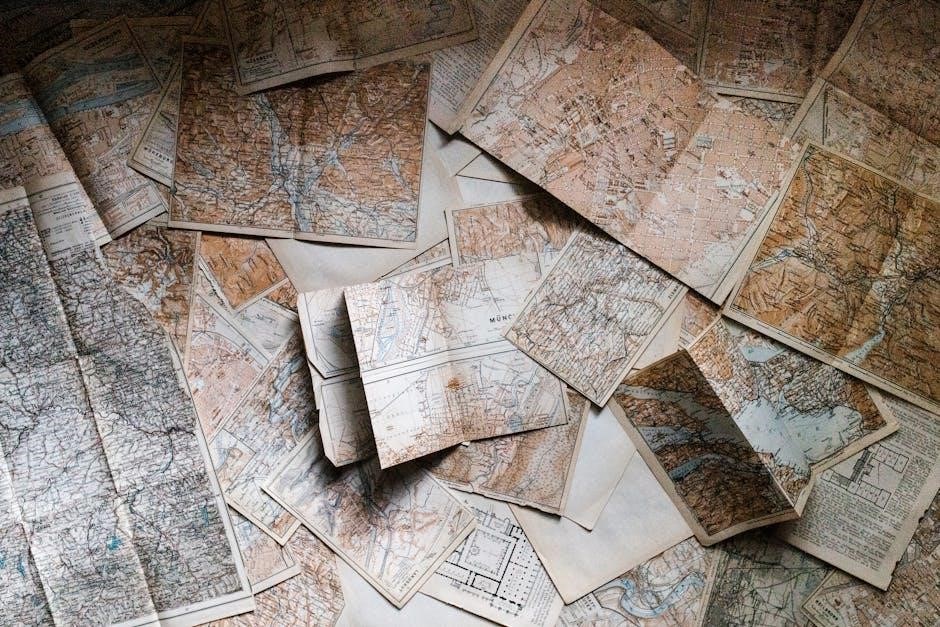
Review security checkpoint procedures beforehand to streamline entry. Be aware of parking garage information and potential fees. Don’t forget comfortable shoes‚ as you’ll be doing a considerable amount of walking. Finally‚ check visitor reviews for recent insights and tips. A well-planned itinerary maximizes your enjoyment of this engineering marvel‚ ensuring a memorable and informative visit.
Hoover Dam History & Background
The Hoover Dam’s story is one of ambition and ingenuity‚ born from the need to control the Colorado River. Construction began in 1931‚ during the Great Depression‚ providing crucial employment. It was originally named Boulder Dam‚ later renamed in honor of President Herbert Hoover. The project aimed to provide irrigation‚ flood control‚ and hydroelectric power.
Its design and construction were remarkable feats of engineering‚ especially considering the era predated modern computers. Thousands of workers labored under harsh conditions‚ facing extreme heat and dangerous environments. The dam’s completion in 1936 dramatically transformed the American Southwest.
Lake Mead‚ formed by the dam‚ became the largest reservoir in the United States. The Hoover Dam quickly became an iconic symbol of American progress and a testament to human capability. Understanding this historical context enriches any self-guided tour‚ revealing the dam’s profound impact on the region and beyond. It remains an awe-inspiring accomplishment today.
Understanding the Dam’s Construction
The Hoover Dam’s construction involved an immense scale of excavation and concrete pouring. Over 3.25 million cubic yards of concrete were used‚ enough to build a road from New York to San Francisco! This concrete mass is curved to withstand immense water pressure. Before pouring‚ the canyon walls were cleared of loose rock‚ a dangerous undertaking.
A crucial element was diverting the Colorado River through four tunnels‚ allowing the dam foundation to be built on dry land. The massive weight of the dam required innovative cooling techniques to prevent cracking during the concrete curing process. Workers used a network of pipes to circulate cooling water throughout the structure.
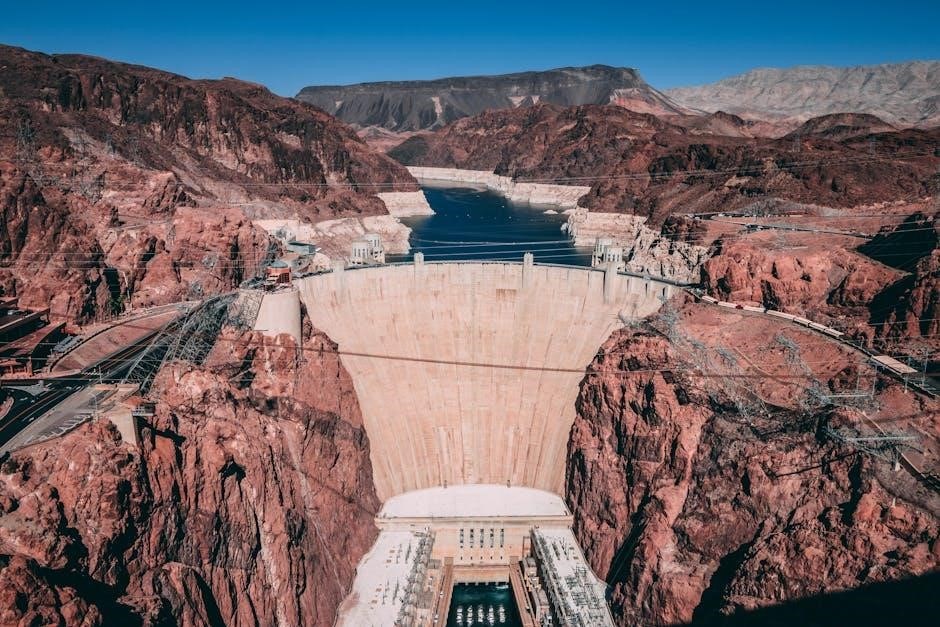
The dam’s design incorporated a massive spillway system for flood control‚ and the powerplant was integrated directly into the dam’s structure. Appreciating these construction details during a self-guided tour highlights the incredible engineering challenges overcome‚ making it a wonder of the modern world.
The Powerplant: An Engineering Marvel
The Hoover Dam’s powerplant is a testament to early 20th-century engineering prowess. Housing 17 main turbines‚ it initially had a capacity of 677.5 megawatts‚ now exceeding 2‚000 megawatts. These turbines convert the potential energy of the water into electricity‚ powering homes and businesses across Nevada‚ Arizona‚ and California.
During a self-guided tour‚ visualizing the scale of the generators is breathtaking. Water enters through the penstocks‚ massive pipes channeling water from Lake Mead‚ and drives the turbine blades. The sheer force and precision of these machines are remarkable‚ especially considering the era in which they were designed and built – before widespread computer use.
The powerplant’s design is integrated directly into the dam’s structure‚ maximizing efficiency. Understanding this integration enhances the appreciation for the dam as a whole. It’s an overwhelming accomplishment‚ showcasing human ingenuity and a dedication to harnessing natural resources.
Security Checkpoint Procedures
Navigating the security checkpoint is a crucial first step for any self-guided Hoover Dam tour. Expect procedures similar to airport security‚ including bag checks and personal screenings. The Transportation Security Administration (TSA) oversees security‚ ensuring the safety of visitors and the dam itself. Allow ample time‚ especially during peak season‚ as lines can be lengthy.
Prohibited items include weapons of any kind‚ explosives‚ flammable liquids‚ and large bags exceeding specific size limitations. Check the official Hoover Dam website for a comprehensive list of prohibited items before your visit to avoid delays. Be prepared to present identification‚ such as a driver’s license or passport.
Cooperation with security personnel is essential. Follow their instructions promptly and respectfully. The process is designed to protect everyone‚ and a smooth experience relies on visitor compliance. Understanding these procedures beforehand will streamline your entry and allow you to enjoy your tour without interruption.
Bypassing the Security Checkpoint (Options)
For visitors seeking to minimize time spent in security lines‚ alternative options exist‚ though they impact access. The Hoover Dam Bypass Bridge offers stunning views without requiring passage through the dam’s security checkpoint. This is ideal for photography and appreciating the structure’s scale from a distance.
However‚ bypassing security means foregoing access to the inner workings of the dam‚ the powerplant tour‚ and the visitor center exhibits. These experiences provide invaluable insight into the dam’s history‚ construction‚ and engineering marvels. Consider your priorities – panoramic views versus in-depth exploration.
Another option involves pre-booked guided tours that sometimes have expedited security lanes. Research tour operators offering this benefit. Remember‚ even with expedited access‚ some level of security screening is still required. Weigh the convenience against the cost and limitations of each option to determine the best approach for your self-guided experience.
Exploring the Visitor Center
The Hoover Dam Visitor Center serves as an excellent starting point for your self-guided tour‚ offering a wealth of information and exhibits. Upon passing through security‚ dedicate ample time to explore the displays detailing the dam’s history‚ construction challenges‚ and impact on the surrounding region.
Interactive exhibits showcase the engineering feats involved in building this monumental structure‚ particularly considering the era before widespread computer technology. Learn about the immense scale of the project‚ the workforce involved‚ and the innovative techniques employed. Detailed models and historical photographs bring the dam’s story to life.
Don’t miss the opportunity to view informational films providing a comprehensive overview of the dam’s purpose and operation. The visitor center also offers maps and brochures to aid in your self-guided exploration of the dam and Lake Mead. It’s a crucial step for understanding the context before venturing further into the dam’s inner workings.

Lake Mead & Its Significance
Lake Mead‚ formed by the Hoover Dam‚ is the largest reservoir in the United States by volume when full‚ and a critical component of understanding the dam’s overall purpose. Beyond its recreational opportunities‚ the lake provides vital water resources for several states‚ including Nevada‚ Arizona‚ and California‚ supporting agriculture‚ municipalities‚ and industry.
During your self-guided tour‚ take time to appreciate the sheer scale of Lake Mead and its dramatic landscape. The changing water levels‚ however‚ are a stark reminder of the ongoing drought conditions in the American Southwest. Current water levels significantly impact recreational access and highlight the importance of water conservation.
Consider viewpoints overlooking the lake to fully grasp its immensity. The lake’s creation fundamentally altered the region‚ transforming a desert landscape into a vital water source. Understanding Lake Mead’s role is essential to appreciating the Hoover Dam’s lasting legacy and its continued relevance in the 21st century.
The Hoover Dam Bypass Bridge
The Mike O’Callaghan–Pat Tillman Memorial Bridge‚ commonly known as the Hoover Dam Bypass Bridge‚ offers spectacular panoramic views of the dam and Lake Mead‚ and is a must-see during your self-guided tour. Completed in 2010‚ this architectural marvel was constructed to alleviate traffic congestion on US 93‚ which previously ran directly across the dam itself.
Pedestrian walkways on the bridge provide unparalleled photo opportunities. Capture stunning images of the dam’s massive concrete arch and the vast expanse of the Colorado River below. The bridge’s design minimizes visual impact on the surrounding landscape‚ blending seamlessly with the natural environment.
Parking is available on both the Nevada and Arizona sides of the bridge‚ allowing easy access for visitors. Walking across the bridge is a relatively easy undertaking‚ suitable for most fitness levels. It’s an excellent vantage point to appreciate the engineering feat of both the dam and the bypass bridge itself‚ offering a unique perspective on this iconic landmark.
Observation Deck Views & Photography
The Hoover Dam’s observation decks provide breathtaking vistas‚ essential for any self-guided tour and capturing memorable photographs. Located on both the Nevada and Arizona sides‚ these decks offer different perspectives of the dam‚ Lake Mead‚ and the surrounding canyon landscape. Prepare for potentially crowded conditions‚ especially during peak season‚ and plan accordingly to secure the best vantage points.
For optimal photography‚ consider visiting during the “golden hours” – shortly after sunrise or before sunset – when the light is soft and warm‚ enhancing the dam’s imposing structure. Wide-angle lenses are ideal for capturing the scale of the dam and the vastness of Lake Mead. Don’t forget to experiment with different angles and compositions to create unique and compelling images.
Be mindful of safety while taking photos‚ especially near railings. The observation decks can be windy‚ so secure your belongings. Take time to simply soak in the awe-inspiring views; the Hoover Dam is truly an amazing structure and a testament to human ingenuity.
Inside the Dam: Exploring the Inner Workings
Venturing inside the Hoover Dam offers a fascinating glimpse into its engineering marvels‚ a highlight of any self-guided tour. While a guided tour of the powerplant and inspection tunnels is strongly recommended for a comprehensive understanding‚ independent exploration of accessible areas reveals the dam’s immense scale and complexity.
Consider the historical context – the dam was designed and built before computers – amplifying the accomplishment. Observe the massive concrete structure and imagine the sheer effort involved in its construction. Pay attention to the details of the dam’s inner workings‚ such as the walls and passageways.

Access to certain areas may be restricted for safety and security reasons. Respect all posted signs and instructions. The inspection tunnels‚ if accessible‚ provide a unique perspective on the dam’s construction and maintenance. Remember to allow ample time to fully appreciate the inner workings of this iconic landmark‚ a truly overwhelming accomplishment.
The Original Intake Towers
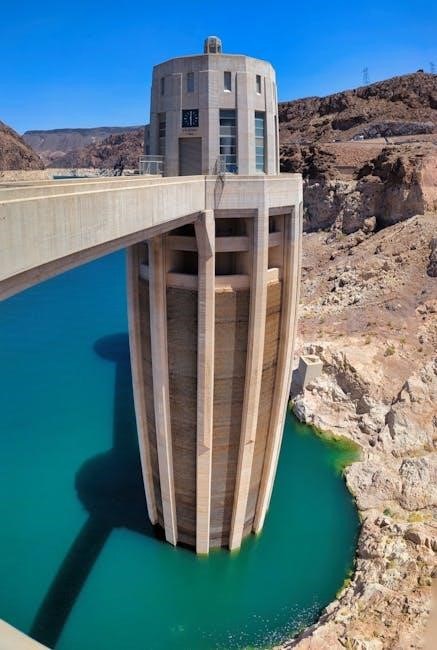
The Hoover Dam’s original intake towers stand as a testament to innovative engineering‚ crucial for controlling water flow and a key element of a self-guided tour. These four towers‚ dramatically positioned on the face of the dam‚ are responsible for drawing water from Lake Mead into the penstocks that power the turbines.
Observe their imposing structure and consider the challenges faced during their construction. They represent a significant achievement‚ especially considering the pre-computer era in which the dam was built. While access inside the towers is typically restricted‚ viewing them from the observation deck provides a compelling perspective.
Understanding their function enhances the overall experience. The towers regulate the amount of water entering the dam‚ ensuring efficient power generation and flood control. Reflect on the scale of the project and the ingenuity required to design and implement such a vital component. Appreciating these towers adds depth to your exploration of this awe-inspiring structure.
The Penstocks & Turbine Generators
Delving into the heart of the Hoover Dam’s power generation means understanding the penstocks and turbine generators – a highlight of any self-guided tour. The massive penstocks‚ large steel pipes‚ channel water from the intake towers down to the powerhouse below‚ harnessing the force of gravity to drive the turbines.
These turbines‚ impressive feats of engineering‚ convert the water’s kinetic energy into mechanical energy‚ which then powers the generators. The generators‚ in turn‚ produce electricity‚ supplying power to Nevada‚ Arizona‚ and California. A guided powerplant tour offers the best access‚ but even observing from viewing areas provides insight.
Consider the sheer scale of these components and the precision required for their operation. The dam’s design‚ conceived before widespread computer use‚ is particularly remarkable. Reflect on how this system efficiently transforms a natural resource into a vital energy source‚ making the Hoover Dam a true wonder of the modern world.
The Spillways & Flood Control
A crucial‚ yet often overlooked‚ aspect of the Hoover Dam’s design is its sophisticated spillway system and flood control mechanisms. These features are essential for managing the Colorado River’s flow and protecting downstream communities. During periods of high water levels‚ the spillways release excess water‚ preventing the dam from being overtopped and ensuring its structural integrity.
The spillways aren’t merely functional; they’re also visually striking‚ dramatically demonstrating the dam’s power. Observing the spillways in operation (when conditions allow) is a powerful experience. Understanding their role provides a deeper appreciation for the dam’s comprehensive engineering.
Flood control is intrinsically linked to the spillway system. By regulating the river’s flow‚ the Hoover Dam mitigates the risk of devastating floods downstream. This protective function is a vital component of the dam’s overall purpose‚ safeguarding lives and property. A self-guided tour allows contemplation of this critical safety feature.
Hoover Dam Parking Garage Information
Planning your self-guided Hoover Dam tour necessitates understanding parking options. The primary parking facility is a multi-level garage located near the Visitor Center. It’s a paid parking area‚ and rates vary depending on the duration of your stay. Expect to encounter higher fees during peak seasons and weekends‚ so budget accordingly.
The parking garage can fill up quickly‚ particularly during popular times. Arriving early in the morning or later in the afternoon can increase your chances of securing a spot. Alternatively‚ consider utilizing overflow parking areas‚ though these may require a longer walk to the dam itself.
Be mindful of parking restrictions and clearly posted signage. Illegally parked vehicles are subject to towing. Remember your parking level and location to easily find your vehicle after exploring the dam and surrounding areas. A little pre-planning regarding parking will streamline your self-guided experience.
Tour Duration & Recommended Time Allocation
Effectively planning your self-guided Hoover Dam tour hinges on realistic time estimates. A comprehensive visit‚ encompassing the Visitor Center‚ observation decks‚ and exploring the dam’s exterior‚ requires a minimum of 3-4 hours. If you intend to delve deeper‚ including exploring the powerplant (if accessible) and potentially walking across the bypass bridge‚ allocate at least 5-6 hours.
The powerplant tour‚ frequently recommended by visitors‚ typically lasts around 60-90 minutes. Factor in time for navigating the security checkpoint‚ which can vary depending on crowd levels. Don’t underestimate the time needed for photography; the views are truly awe-inspiring and warrant capturing!
Consider your pace and interests. Those fascinated by engineering may wish to spend more time examining the dam’s structure‚ while others might prioritize the scenic overlooks. A flexible schedule allows for spontaneous exploration and ensures a fulfilling self-guided experience. Prioritize what interests you most!

Accessibility for Visitors
The Hoover Dam strives to be accessible to all visitors‚ though navigating the site presents certain challenges. The Visitor Center is fully accessible‚ with ramps and elevators providing access to all levels. Accessible parking spaces are available near the entrance‚ and wheelchairs are available for loan on a first-come‚ first-served basis.
However‚ access to the dam itself is more limited. The powerplant tour‚ a highlight for many‚ involves navigating stairs and narrow passageways‚ posing difficulties for individuals with mobility impairments. The observation deck offers accessible viewing areas‚ but reaching them may require navigating some inclines.
The bypass bridge offers a more accessible vantage point‚ with a pedestrian walkway and elevators. It’s crucial to check the official Hoover Dam website for the most up-to-date information regarding accessibility features and any temporary closures. Planning ahead and contacting the visitor center with specific needs will ensure a smoother and more enjoyable experience for everyone.
Gift Shop & Souvenir Options
The Hoover Dam Gift Shop offers a wide array of souvenirs to commemorate your visit to this engineering marvel. Located within the Visitor Center‚ the shop provides a convenient opportunity to find mementos for yourself or gifts for loved ones. Expect a diverse selection‚ ranging from classic postcards and keychains to more unique items reflecting the dam’s history and significance.
You’ll discover Hoover Dam-branded apparel‚ including t-shirts‚ hats‚ and hoodies‚ perfect for showcasing your experience. Scale models of the dam itself are popular choices‚ alongside books detailing its construction and impact. For younger visitors‚ there are educational toys and dam-themed trinkets.
The shop also carries locally made crafts and products‚ offering a taste of the surrounding region. Prices vary‚ catering to different budgets. Be prepared for potential crowds‚ especially during peak season. It’s a great place to find a lasting reminder of your awe-inspiring journey to the Hoover Dam!
Nearby Attractions & Combining Your Trip
A visit to the Hoover Dam is often combined with exploring other attractions in the region‚ maximizing your travel experience. The most popular pairing is undoubtedly a trip to Las Vegas‚ Nevada‚ located approximately 45 minutes away by car. Las Vegas offers world-class entertainment‚ dining‚ and nightlife‚ providing a stark contrast to the natural wonder of the dam.
Lake Mead National Recreation Area‚ adjacent to the dam‚ presents opportunities for boating‚ fishing‚ and hiking. The scenic landscapes offer a refreshing escape and a chance to appreciate the vastness of the reservoir. Consider a boat tour on Lake Mead for unique perspectives of the dam and surrounding canyons.
For those interested in history and nature‚ the Valley of Fire State Park‚ known for its vibrant red sandstone formations‚ is a worthwhile detour. Renting a car is highly recommended for exploring these nearby attractions independently. Plan your itinerary carefully to make the most of your time and enjoy the diverse offerings of the area!
Current Water Level & Impact on Tours
The water level of Lake Mead directly influences the Hoover Dam’s appearance and‚ potentially‚ tour availability. Prolonged drought conditions in the American Southwest have led to historically low water levels in recent years‚ dramatically altering the landscape surrounding the dam. These declining levels reveal previously submerged features‚ including the original intake towers‚ offering a unique‚ albeit sobering‚ visual.
While the core dam tours generally remain operational‚ extremely low water levels can impact access to certain areas or modify tour routes. The visibility of the “bathtub ring” – the mineral deposits marking the former shoreline – is a stark reminder of the ongoing water crisis. It’s crucial to check the official Bureau of Reclamation website for the most up-to-date information regarding lake levels and any tour restrictions.
Despite the challenges‚ the Hoover Dam remains an impressive sight. Understanding the context of the water levels enhances the experience‚ prompting reflection on water conservation and the impact of climate change. Always verify tour status before your visit.
Reviewing Your Experience: What Visitors Say
Visitor feedback consistently highlights the Hoover Dam as an “awe-inspiring” and “amazing structure‚” a true wonder of modern engineering. Many reviewers strongly recommend the guided powerplant tour and exploring the dam’s interior‚ including the inspection tunnels‚ appreciating the accomplishment considering its pre-computer era design and construction.
Common themes in reviews include the dam’s sheer scale and the impressive engineering feats involved. Several visitors suggest renting a car for convenient access‚ noting the parking garage can be busy. The observation deck receives praise for its stunning views‚ making it a prime photography spot.
Some mention the impact of the current water level‚ observing the visible “bathtub ring” and reflecting on its implications. The visitor center is generally well-received‚ providing valuable historical context. The gift shop offers a range of souvenirs. Overall‚ the Hoover Dam consistently earns high ratings‚ often described as a must-see attraction near Las Vegas.
Resources for Further Information
For comprehensive planning of your self-guided Hoover Dam tour‚ the Bureau of Reclamation’s official website (usbr.gov/hooverdam) is an invaluable resource. It provides detailed information on history‚ construction‚ current conditions‚ and tour options‚ including accessibility details.
Lake Mead National Recreation Area’s website (nps.gov/lake) offers insights into the surrounding landscape and recreational opportunities‚ complementing your dam visit. Numerous travel blogs and websites‚ such as TripAdvisor and Viator‚ feature visitor reviews‚ photos‚ and practical tips for navigating the site and security checkpoints.
The Hoover Dam Association (hooverdamassociation.org) is a non-profit organization dedicated to preserving the dam’s legacy‚ offering historical resources and educational materials. Checking recent visitor forums and social media groups can provide up-to-date information on parking availability‚ water levels‚ and potential tour modifications. Remember to consult official sources for the most accurate and current details before your trip.